




Sudan’s Civil War: A Shift from Domestic Conflict to Regional Turmoil
As Sudan’s civil war surpasses its one-thousandth day, the conflict has transcended its initial domestic roots, emerging as a significant battleground in the broader regional realignment throughout the Middle East and the Red Sea basin. Originally ignited in April 2023 by a power struggle between military factions, the civil war has transformed into a vital strategic theater. It not only reflects internal collapse but also serves as a testing ground for competing regional futures characterized by arms financing, logistical control, and paramilitary operations.
A Pivotal Defense Agreement: Pakistan and Sudan
One major development is the recently reported $1.5 billion defense agreement between Pakistan and the Sudanese Armed Forces (SAF), potentially facilitated by Saudi Arabia.
The Shift in Regional Alliances
This arms deal signifies a decisive turn in Saudi Arabia’s diplomatic and military strategies, marking an end to its cooperative hegemony with the United Arab Emirates (UAE). Riyadh is adopting a more assertive stance designed to shield the Red Sea from the destabilizing effects of fragmented state structures. As the UAE’s influence wanes, particularly in Yemen, the Saudi emphasis shifts toward state-centric orders and the revival of centralized military power in neighboring states.
Understanding the Roots of the Sudanese Conflict
While the ongoing war is often perceived as a proxy battle, its origins lie deeper in the collapse of Sudan’s political marketplace. This system, reliant on temporary alliances for control over land and resources, has succumbed to fiscal exhaustion and elite fragmentation, resulting in violence supplanting negotiation.
Diverging State Strategies
The discord between Saudi Arabia and the UAE deepens as they diverge in their approaches to regional governance. Riyadh views the fragmentation of states like Sudan and Yemen as existential threats, advocating for established authority. Conversely, the UAE’s risk-acceptant strategy leverages non-state actors to extend influence, embedding itself within transnational networks tied to gold and logistics in Sudan.
Implications of the Pakistan-Sudan Defense Agreement
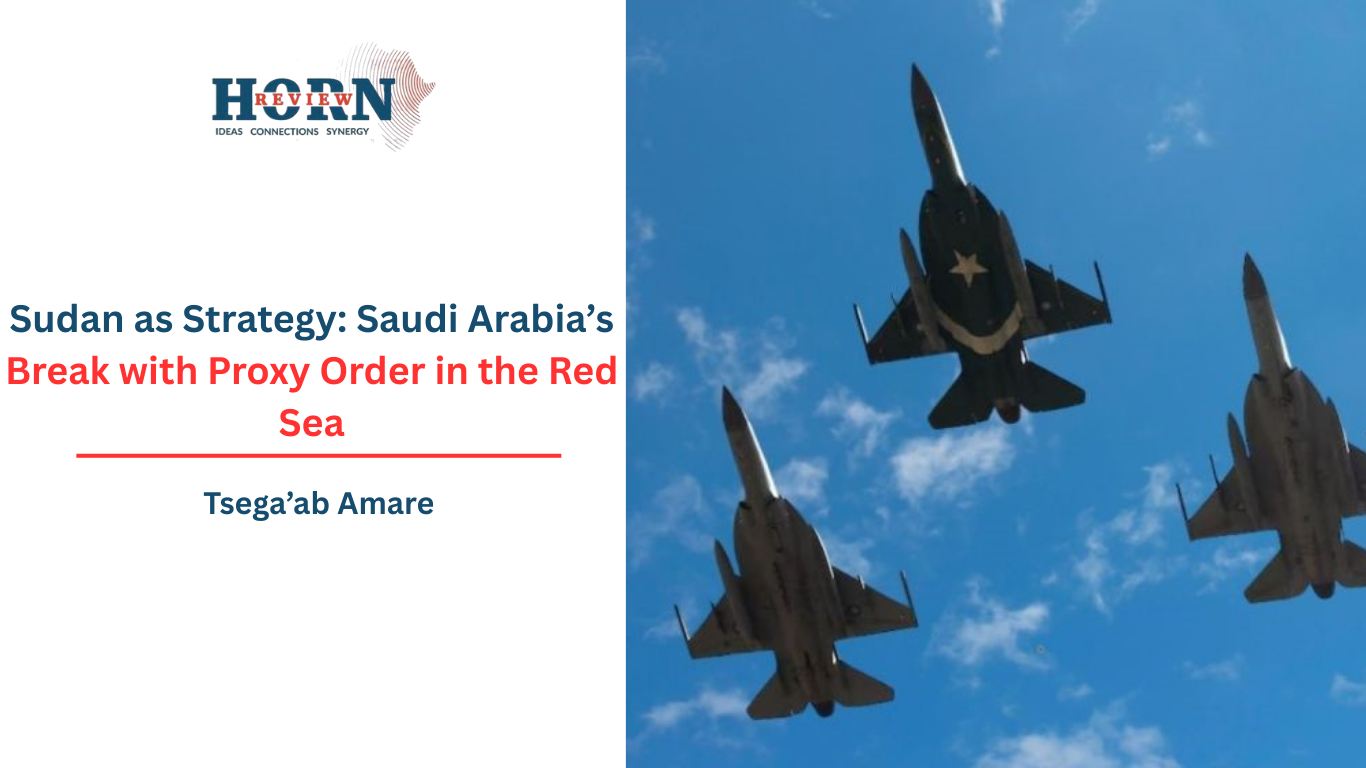
The reported defense deal includes an array of military equipment such as K-8 light attack aircraft, drones, and possibly JF-17 Thunder multirole fighters. If realized, this could significantly bolster the SAF’s air and reconnaissance capabilities, addressing critical gaps in their operational strengths.
Saudi Arabia’s Strategic Role
Saudi Arabia is key to this agreement, with reports of Riyadh brokering the deal. A recent visit by the Pakistani Air Force chief explored defense collaboration and regional security dynamics, underscoring the importance of this relationship.
Airspace Control: A Coercive Instrument of Statecraft
Saudi Arabia has also enacted measures to disrupt Rapid Support Forces (RSF) supply chains, including closing airspace to Emirati aircraft bound for Kufrah Airbase in Libya. This logistical hub has been crucial for supplying weapons to the RSF, and limiting airspace will complicate Emirati airlift routes, forcing them to seek lengthier and riskier alternatives.
The Closure of Emirati Access in Somalia
Moreover, the UAE’s diminishing presence in Somalia further restricts its logistical reach, as Mogadishu canceled all agreements with the UAE. This situation completes a strategic encirclement aimed at limiting Emirati operations and sending a clear message of containment as opposed to mediation.
A New Era of Coercive Statecraft
The Sudanese conflict thereby serves as a laboratory for modern statecraft, where regional powers apply methods such as arms finance, logistics control, and airspace denial to shape outcomes. The SAF’s inclusion of advanced drone technology reflects this evolving warfare paradigm, while the RSF struggles to adapt through professionalization and the recruitment of foreign specialists—a costly endeavor increasingly susceptible to disruption.
Consequences for the Region
The consequences of the Pakistan-Sudan arms deal may offer a lifeline to the SAF but also fortify a militarized exit from political turmoil. This situation risks normalizing externally managed fragmentation, potentially setting a precedent for future conflicts in the Horn of Africa.
A Call for Coordinated Action
To mitigate these outcomes, regional institutions must emphasize collective bargaining power. Without coordinated efforts through organizations like the African Union and IGAD, Sudan risks becoming a case study in a new disorder where sovereignty is selectively exploited by outside forces.
In conclusion, Sudan stands not merely as a battleground but as a cautionary tale about the evolving nature of regional order shaped by selective sovereignty and managed fragmentation. As these dynamics unfold, the stakes will continue to rise dramatically, demanding urgent attention from the international community.
For further information, you can read more on the Horn Review.
