




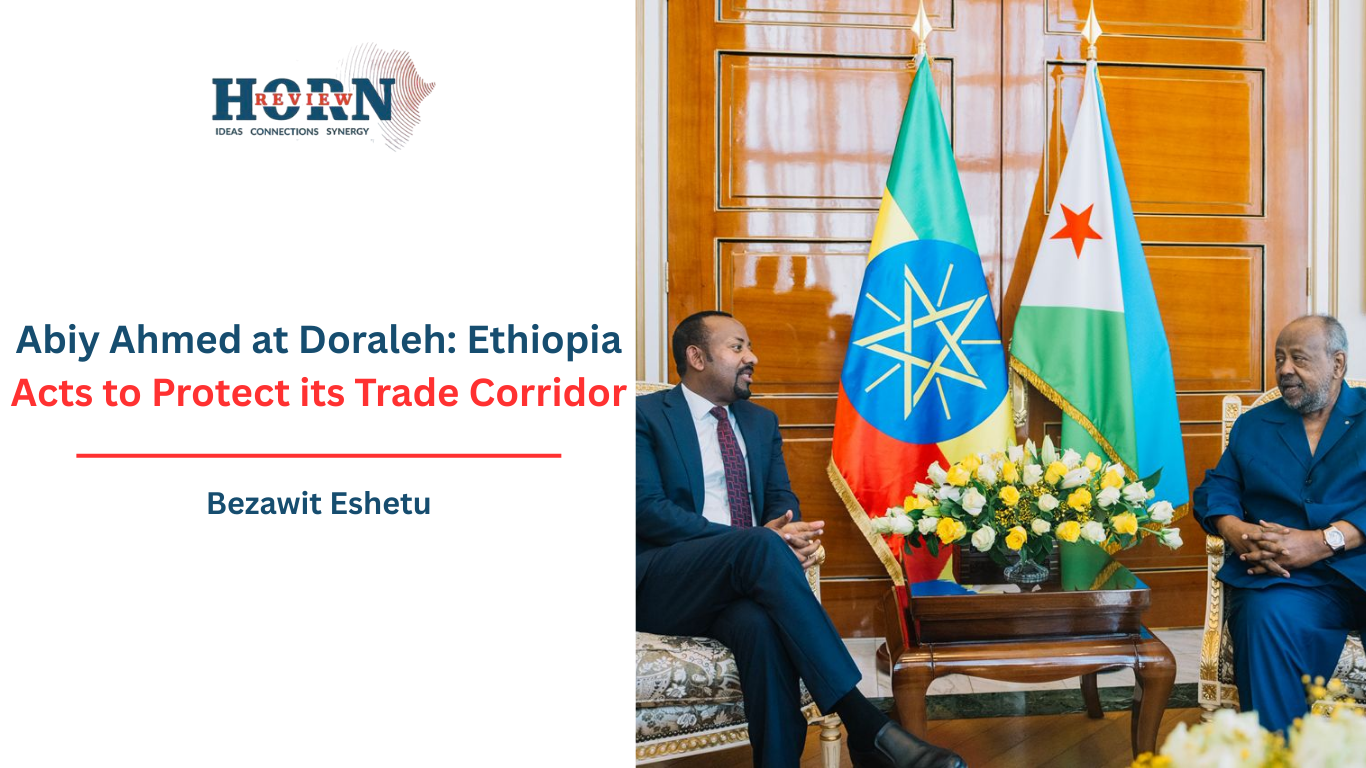
Ethiopia and Djibouti: Strategic Dynamics Amidst External Influences
Introduction: The Vitality of Ethio-Djiboutian Relations
On January 11, 2026, Ethiopian Prime Minister Abiy Ahmed made a significant visit to Djibouti accompanied by a high-ranking delegation focused on security and economic issues. This visit comes at a critical juncture for Ethio-Djiboutian ties, particularly after Egypt’s recent strategic engagement in Djibouti’s infrastructure and energy sectors. It highlights the complexities and pressures facing this essential partnership that underpins Ethiopia’s access to maritime routes and contributes to regional stability.
Historical Context: Formation of a Partnership
The Ethio-Djiboutian alliance was solidified during the geopolitical void following the 1998-2000 war between Ethiopia and Eritrea. Prior to this conflict, Ethiopia’s reliance on the ports of Assab and Massawa was palpable. The abrupt closure of these routes transformed Djibouti into Ethiopia’s primary maritime entry point. The construction of the 753-kilometer standard-gauge railway symbolized the urgent need for this new economic lifeline, marking the beginning of a mutually dependent economic partnership.
Over the years, this arrangement has evolved into a “logistics monopoly” where Djibouti serves as the gateway, and Ethiopia provides the trade volume necessary for mutual survival. This longstanding relationship is characterized by political stability and deep cooperation.
Economic Interdependence: A Critical Partnership
Ethiopia, the world’s most populous landlocked country, relies almost entirely on Djibouti for maritime trade, with over 95% of its cargo transiting through Djibouti’s facilities. In 2023, Ethiopia exported approximately $128 million worth of goods to Djibouti, mainly agricultural produce. In return, Djibouti’s economy is heavily anchored by these exports, with port fees from Ethiopian cargo playing a key role in its GDP of around $4.1 billion. Furthermore, Djibouti imports 65%-70% of its electricity from Ethiopia, establishing a framework of essential utility interdependence.
Rising Tensions: Egypt’s Strategic Maneuvering
The regional equilibrium has shifted since late December 2025, following Egypt’s decisive actions in Djibouti. Egypt’s Deputy Prime Minister Kamel El-Wazir and a delegation finalized impactful agreements, including the development of a multipurpose container terminal and a regional logistics center at the Khor Ambado Free Zone. Notably, the agreements also included energy projects designed to empower Djibouti’s port infrastructure, fundamentally changing the region’s energy dynamics.
Cairo’s investments can be interpreted as a “Logistics Denial Doctrine” aimed at Ethiopia. By supporting Djibouti’s energy independence, Egypt is positioning itself to weaken Ethiopia’s influence over energy supplies crucial to its economy. This becomes especially pertinent given the ongoing tensions surrounding the Grand Ethiopian Renaissance Dam (GERD).
Potential Consequences: A Fragile Relationship
The implications of these developments could be severe for both nations. A deterioration in access to Djibouti’s ports would likely result in inflation and hinder Ethiopia’s industrial output. Conversely, Djibouti risks losing its economic stability by fostering competing foreign interests, particularly as Ethiopia explores alternative trade routes like the Berbera port in Somaliland and the Lamu corridor in Kenya.
Diplomatic Counteroffensive: Strengthening Ties
In light of growing challenges, Ethiopia’s leadership initiated a diplomatic response aimed at reinforcing bilateral relations. Prior to Prime Minister Abiy’s visit, a delegation comprising influential political and logistical officials was dispatched to Djibouti to emphasize the partnership’s significance as a sovereign priority. The aim was to secure agreements fostering economic integration amidst rising external influences.
During Abiy’s visit to Doraleh Port, he emphasized Ethiopia’s assertion over the terminal, framing it as a matter of national security. The discussions centered around boosting trade and development, asserting the importance of the Ethio-Djiboutian partnership in the face of competing interests.
The Path Forward: Navigating Geopolitical Challenges
As landlocked Ethiopia depends on Djibouti’s stability, the latter’s strategic significance hinges entirely on its role as Ethiopia’s maritime gateway. The involvement of external actors like Egypt transforms their cooperative dynamics into a more precarious zero-sum situation.
Recommendations for Cooperation
To safeguard mutual interests, both Ethiopia and Djibouti must formalize their cooperation by considering shared ownership of critical infrastructure and establishing joint security measures. Strengthening their alliance is crucial to mitigate the risks posed by external influences and ensure the longevity of their economic partnership.
Conclusion: Regional Stability and Future Prospects
The future of the Horn of Africa hinges on whether the Ethio-Djibouti corridor can foster regional integration or fragment under external pressures. While investments from outside parties appear beneficial, they cannot substitute the long-standing ties between Ethiopia and Djibouti. The challenge for both nations is to fortify their relationship in a manner that withstands future regional and global rivalries, collectively ensuring a stable economic and security framework in the region.
For more insights on the dynamic relationships within the Horn of Africa, explore details on Ethiopia and Djibouti.
