




Sudan Conflict: A 1,000-Day Crisis and the Rising Role of Mercenaries
As the conflict in Sudan marks its 1,000-day milestone on January 9, 2026, it has transformed from a local power struggle into a multi-dimensional regional conflict. Recent reports highlight the capture of South Sudanese fighters by the Sudanese Armed Forces (SAF) in North Kordofan, adding credibility to claims regarding the mercenary reliance of the Rapid Support Forces (RSF).
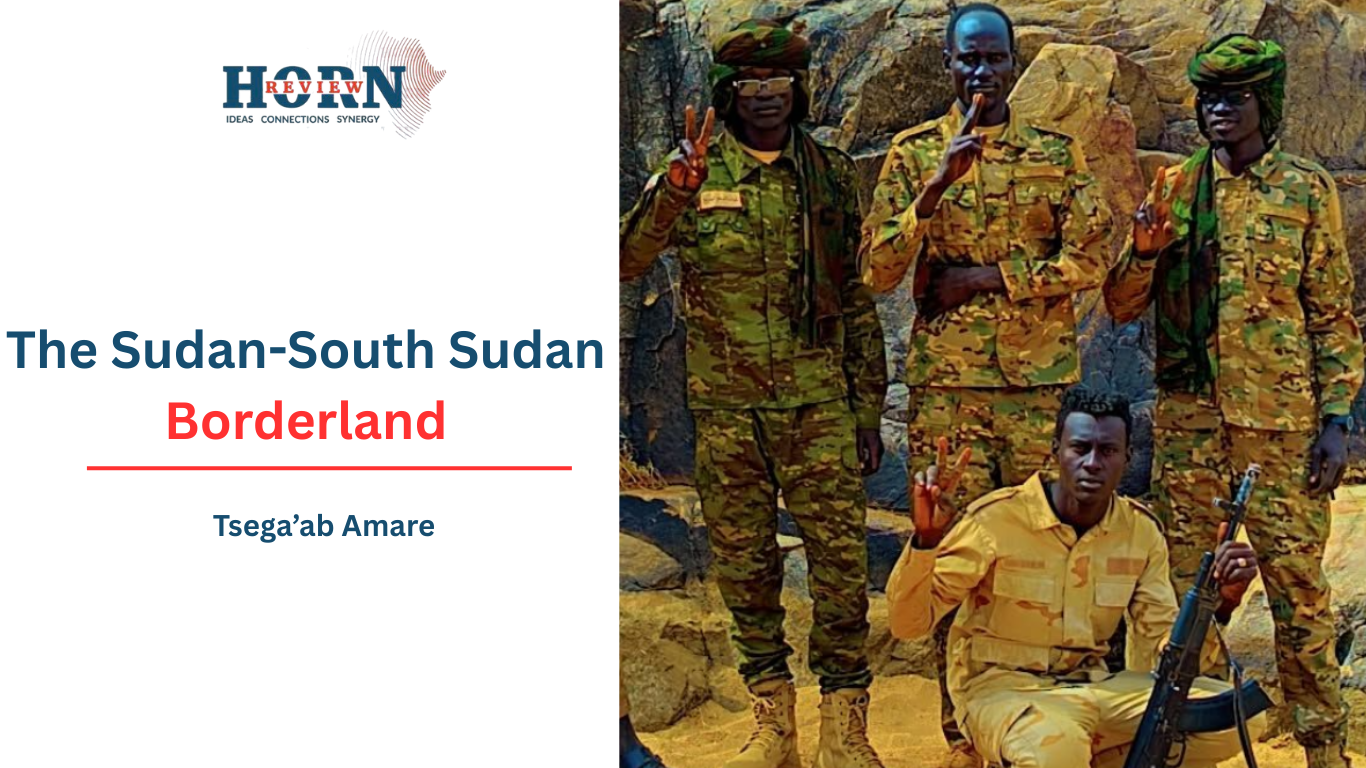
The Capture of South Sudanese Combatants
On January 1, 2026, the SAF announced the capture of over ten South Sudanese nationals following intense clashes in Kazqil and Al-Rayash, strategic locations in North Kordofan. Kazqil, located roughly 45 kilometers south of El Obeid—the capital of North Kordofan—has emerged as a vital logistical hub amid ongoing hostilities. The SAF has mobilized more than 300 combat vehicles and advanced drone technologies to undermine the RSF’s supply chains.
A Shift in Military Dynamics
The presence of South Sudanese fighters so far from the border signals the RSF’s increasing dependence on foreign forces to maintain its weakening defenses. This reliance on skilled mercenaries—from technicians to seasoned infantry—has allowed the RSF to sustain its operational momentum. Conversely, for the SAF, these captures provide tangible proof of South Sudan’s inability to secure its territories, prompting potential diplomatic actions against Juba.
Kordofan: The New Battlefield
The Kordofan region has become the principal area influencing the war’s trajectory, overshadowing previous hotspots like Khartoum and Darfur. Following the fall of El Fasher in late 2025, the RSF successfully redeployed experienced units to fortify its position in what is now known as the Kordofan axis.
The SAF’s strategy emphasizes a doctrine of remote violence, leveraging drone strikes and long-range artillery to erode the RSF’s resources while minimizing the deployment of ground troops. This strategy forces the RSF into a recruitment dilemma; to sustain its blockades around cities like Kadugli and Dilling, it must tap into cross-border ethnic networks.
The Rise of Mercenaries
The RSF’s operational capabilities are bolstered by a complex, multi-continental mercenary framework. Notably, networks have evolved to professionalize recruitment, including former Colombian military personnel who bring specialized combat skills to the RSF. Investigations revealed a logistic route using Bosaso airport in Somalia, facilitating the transport of foreign fighters from Abu Dhabi to Sudan.
Economic Collapse in South Sudan
One of the main drivers for the influx of South Sudanese fighters into the RSF is the country’s catastrophic economic situation. The breakdown of the Petrodar pipeline in early 2024 resulted in a significant unemployment crisis, leaving many young men with combat experience and no jobs. The existing RSF control over the border between Northern Bahr el Ghazal and East Darfur has transformed local labor migration traditions into channels for military recruitment.
Reports from the Rift Valley Institute illustrate how the current conflict has shifted labor dynamics, making agricultural movements susceptible to enlistment into armed forces. In December 2025, over 2,700 returnees arrived in Aweil East struggling for basic needs, reliant on an inadequate international aid framework.
Diplomatic Tensions and Prospects for Peace
The capture of South Sudanese fighters has strained relations between Sudan and South Sudan, intensifying historical grievances into a direct diplomatic crisis. In January 2026, Sudanese officials indicated that Khartoum is preparing to send a comprehensive file to Juba, citing systemic negligence regarding recruitment along the border.
A Permanent State of Conflict
As Sudan enters 2026, the likelihood of a negotiated peace appears slim, with the conflict evolving into a persistent political system characterized by chronic instability. The RSF’s dismantling of the ‘1956 state’ has paved the way for lawless territories governed by warlords and mercenaries.
The mercenary trend in Kordofan epitomizes the regional disintegration, where any identification of Juba as an adversary may compromise oil collaboration, possibly plunging South Sudan into renewed civil strife.
Conclusion
With the Horn of Africa already afflicted by ongoing conflicts, the ramifications of the Sudanese crisis extend beyond its borders. The region stands on the brink of further destabilization, and whether the violence can be curtailed will hinge on the international community’s efforts to dismantle the cross-border recruitment and financing apparatus that fuels this warfare.
By understanding these dynamics, we can better gauge the evolving landscape of conflict in Sudan and the broader implications for regional stability.
