




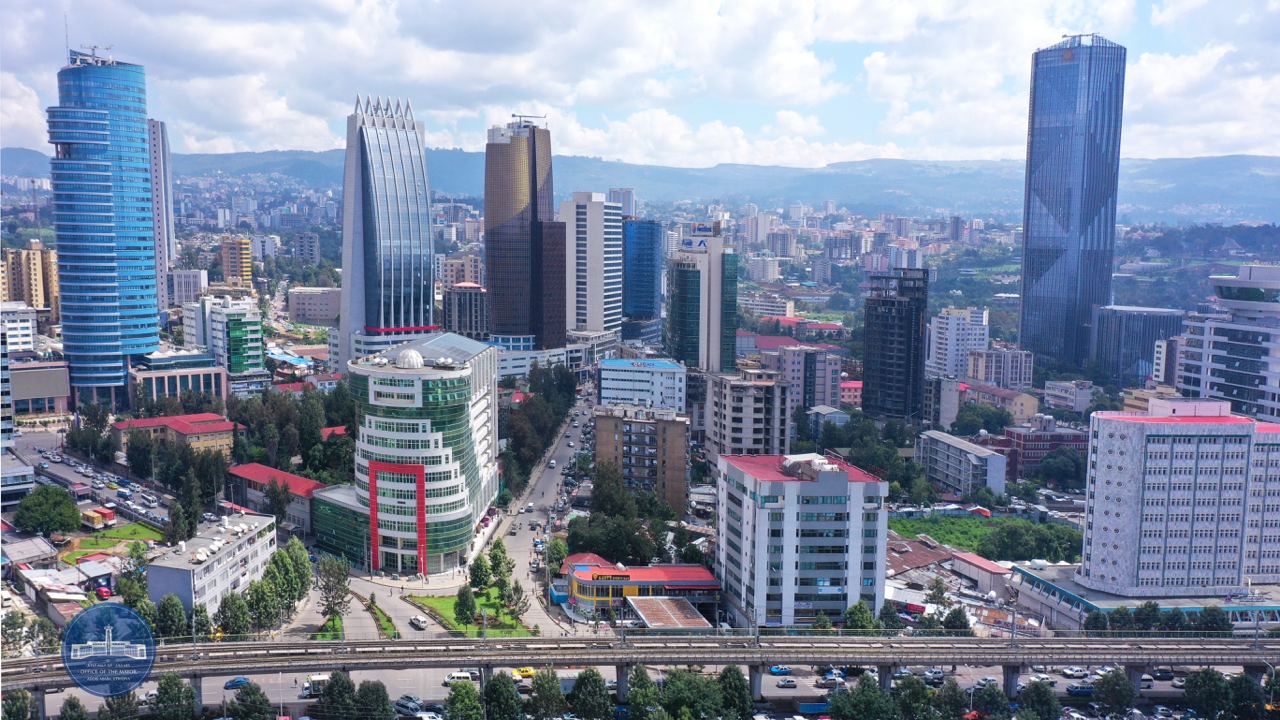
Ethiopia and Kenya Lead Africa’s Economic Growth in 2026
Addis Ababa, January 11, 2026 — As highlighted in the recent UN World Economic Situation and Prospects 2026 report, Ethiopia and Kenya are poised to be at the forefront of Africa’s economic expansion this year. The East African region is projected to witness the fastest growth on the continent, solidifying its role as an economic powerhouse.
Economic Growth Projections for Africa
The United Nations forecasts a robust overall economic growth rate for Africa at 4.0% in 2026 and 4.1% in 2027, up from 3.5% in 2024 and 3.9% in 2025. This promising trajectory is largely attributed to the strong economic performance of leaders like Ethiopia and Kenya, driven by regional integration efforts and an increased focus on renewable energy sources.
East Africa’s Dominance
East Africa is expected to experience a growth rate of 5.8% in 2026, an increase from 5.4% in 2025, maintaining its reputation as the fastest-growing sub-region in Africa. The improvement in macroeconomic stability across major economies in the region is a crucial factor contributing to this acceleration.
Challenges to Sustainable Growth
While the outlook for growth in Africa is positive, several challenges loom. The UN warns that high debt servicing costs, limited fiscal space, and persistent food inflation might hinder inclusive and sustainable development. Moreover, external risks such as global trade tensions and uncertainties related to the African Growth and Opportunity Act (AGOA) and the slow implementation of the African Continental Free Trade Area (AfCFTA) pose additional hurdles.
Mixed Growth Across Sub-Regions
Economic growth forecasts vary among Africa’s sub-regions. North Africa is projected to slow to 4.1% in 2026, down from 4.3% in 2025, while West Africa is expected to decline to 4.4%, from 4.6%. Conversely, Central Africa’s growth is forecasted to rise to 3.0% from 2.8%, and Southern Africa is predicted to expand by 2.0%, a rise from 1.6% in the previous year.
Debt Concerns and Regional Vulnerabilities
The report reveals that Africa’s average public debt-to-GDP ratio is expected to reach 63% in 2025. With interest payments expected to consume nearly 15% of public revenue, many countries are still grappling with significant debt challenges. Approximately 40% of African nations remain over-indebted or at high risk, prompting some to seek debt restructuring under the G20 Common Framework.
Despite a slight uptick in trade—driven mainly by robust exports of precious metals and agricultural goods—the region still faces vulnerabilities. The diverse export partnerships have somewhat shielded the region from global trade tensions, particularly due to exemptions from higher US tariffs on commodities such as crude oil and gold. However, uncertainties linger, notably due to potential changes stemming from AGOA and the impacts of new tariff measures on clothing exporters.
Slow Progress on Trade Agreements
The ongoing sluggish progress in implementing the AfCFTA remains a challenge, limiting the potential for much-needed intra-African trade development. As the regional economic landscape evolves, strengthening these trade agreements will be crucial for sustainable growth.
Global Context of Economic Growth
On a global scale, the UN anticipates economic growth of 2.7% in 2026, slightly below the 2.8% estimated for 2025 and lower than the pre-pandemic average of 3.2%. In light of these ongoing challenges—ranging from trade realignments to inflationary pressures and climate-related shocks—the UN emphasizes the need for stronger global coordination and a renewed commitment to an open, rules-based multilateral trading system amidst rising geopolitical tensions.
To learn more about the economic forecasts and developments in Africa, check out the full report on the UN’s World Economic Situation and Prospects.
For detailed insights on factors affecting global trade, visit World Bank Trade Information.
