




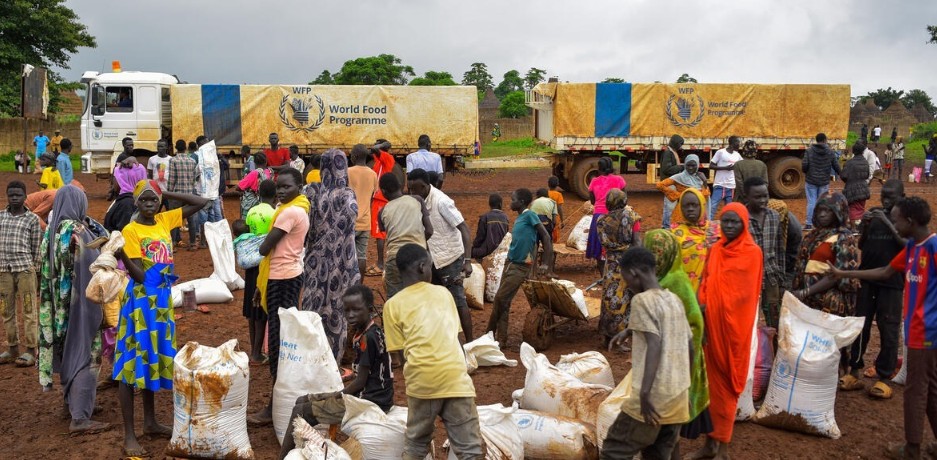
Urgent Call for Support: Ethiopia’s Refugee Crisis at Breaking Point
Ethiopia is facing a critical humanitarian situation that demands immediate international intervention. A recent report from the Ethiopian government, along with the UNHCR and the World Food Programme (WFP), highlights the dire need for increased support to prevent the collapse of crucial services for over 1.1 million refugees currently in the country.
A Growing Refugee Population
As the second-largest refugee-hosting nation in Africa, Ethiopia has experienced a significant influx of displaced individuals due to ongoing conflicts in Sudan and South Sudan and severe drought conditions in Somalia. Unfortunately, the influx has not been met with adequate funding, placing immense strain on existing resources.
Severe Shortfalls in Funding
The funding crisis has already forced humanitarian agencies to reduce emergency relief supplies by 70% for 2025. This dramatic reduction poses immediate risks to the livelihoods and well-being of refugee populations. Teyiba Hassen, Director General of the Refugees and Returnees Service (RRS), emphasized that while Ethiopia has dutifully upheld its responsibilities to protect refugees, these duties cannot fall solely on the government.
“Our resources are stretched to the limit, and the pressure on host communities is becoming unbearable. Immediate international support is essential to share this burden and avert a humanitarian catastrophe,” said Hassen.
Impact on Essential Services
The repercussions of insufficient funding are alarming. In October, the WFP announced a reduction in food rations for around 780,000 refugees to just 40% of their standard entitlements, providing fewer than 1,000 calories per day. Currently, only 70,000 newly arrived refugees receive full rations. Alarmingly, malnutrition rates in refugee camps have surpassed 15%, with an increase in mortality rates for newborns and children under one year, now reaching 4.7% in 2025.
Call for Immediate Financial Aid
Zlatan Milišić, WFP Representative and Country Director, made a pressing appeal for $90 million to sustain operations over the next six months.
“If we do not receive new funding immediately, we may be forced to completely suspend food assistance for refugees in the coming months, leading to greater malnutrition and hunger,” Milišić cautioned.
Crisis Extends Beyond Nutrition
The lack of funding also affects other essential services. Refugees now receive an average of just 12-14 liters of water per day, and in some areas, the figure drops as low as five liters, significantly below the emergency standard of 15 liters. Academic resources for children have likewise diminished, with funding for 57 primary schools exhausted, endangering the education of 110,000 children. These closures could precipitate an increase in issues such as early marriage, child labor, and trafficking.
Deteriorating Living Conditions
As food rations have been cut back from 60% to 40%, the living conditions for refugee families have worsened drastically. Many families are now forced into desperate survival strategies, resorting to damaging coping mechanisms during this time of crisis. Reports indicate that the number of families consuming poor diets has quadrupled, with many succumbing to measures such as skipping meals, reducing children’s portions, selling personal belongings, or engaging in exploitative labor practices.
Strain on Host Communities
The ongoing refugee crisis is placing unbearable pressure on local host communities, which are struggling to provide for both their own populations and those displaced by conflict. The international community must act swiftly to alleviate this burden and prevent further deterioration of conditions.
Conclusion
Ethiopia’s refugee crisis is reaching a critical juncture, requiring immediate global attention and support. The agencies involved have clearly outlined the urgent need for funding to maintain essential services for refugees and prevent a complete humanitarian collapse. As the situation escalates, the call for international assistance has never been more urgent.
For further information, explore resources from the UNHCR and WFP for ongoing updates and actions being undertaken.
By addressing these challenges with urgency, the international community can help mitigate the suffering faced by millions of refugees, ensuring they receive the critical support they desperately need.
