




Ethiopia’s Red Sea Security Dilemma: Navigating a Militarized Maritime Corridor
Introduction to Ethiopia’s Geopolitical Landscape
Ethiopia’s relationship with the Red Sea is no longer a mere abstraction; it’s a critical component of the country’s survival, sovereignty, and developmental trajectory. As Africa’s second-most populous nation, Ethiopia finds itself increasingly tied to a rapidly militarized maritime corridor that has become a focal point for global and regional powers.
Shifting Dynamics of the Red Sea
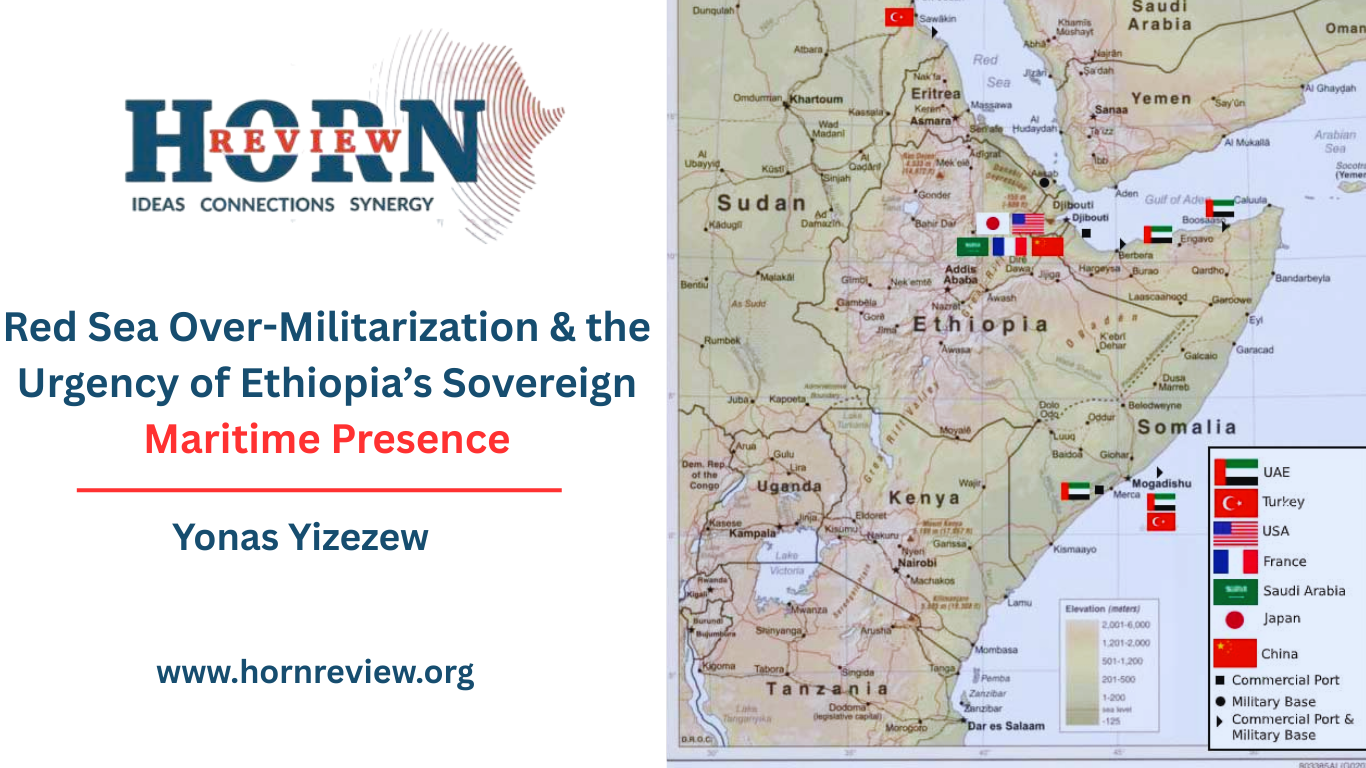
Over the past decade, the Red Sea has transformed into a battleground for influential foreign powers vying for control and influence. Countries such as the United States, China, France, and Japan have established military bases and ports in Djibouti, Eritrea, and Sudan, making the Horn of Africa a critical logistics and energy hub. Ethiopia’s transit trade remains essential for Djibouti’s economic model, further complicating its position in the region.
Rising Gulf Rivalries
The militarization of the Red Sea is primarily driven by rivalries among Gulf nations, including Saudi Arabia, the UAE, Qatar, and Turkey. These countries have invested heavily in port facilities and military bases to secure their interests, particularly in the context of the Yemen conflict. This geopolitical competition raises the stakes for Ethiopia, as diverging definitions of stability increase the risk of proxy conflicts involving external actors.
Houthi Threats and Maritime Security
Acute security challenges have emerged due to Houthi attacks on shipping in key areas like Bab al Mandeb since late 2023. These threats have led to significant disruptions in maritime traffic, including rerouting around the Suez Canal, thereby undermining trust in the region’s navigation security.
Consequences for the Horn of Africa
For countries situated in the eastern Horn of Africa, including Ethiopia, the evolving security landscape offers both opportunities and risks. The ongoing conflict in Sudan has further complicated these dynamics, drawing multiple external players into a complex proxy battlefield. The stability of littoral zones has become increasingly precarious, and countries like Ethiopia find themselves vulnerable amid these conflicts.
Egypt’s Strategic Maneuvering
Egypt has deepened its diplomatic and military ties with Djibouti, Eritrea, and Somalia, largely driven by a desire to limit Ethiopia’s access to the Red Sea. By securing port partnerships and defense pacts, Egypt strengthens its influence while limiting Ethiopia’s autonomy. This strategy has serious implications for Ethiopia as it seeks to secure reliable maritime access, especially in light of ongoing Nile-water tensions.
Ethiopia’s Dependency and Vulnerability
As a landlocked nation, Ethiopia relies heavily on Djibouti’s Red Sea ports—over 90% of its trade passes through these facilities. This dependency imposes significant financial burdens, costing billions in port fees that could otherwise be invested in social and infrastructure development. Additionally, Ethiopia’s geographic constraints heighten its exposure to external threats, limiting its control over coastal security matters.
Reframing Ethiopia’s Maritime Strategy
Historically, Ethiopia has viewed ports as commodities available at the cheapest price, overlooking the security implications of dependency. However, recent perspectives have recast this dependency as a fundamental threat to national survival. The current Ethiopian leadership asserts that access to the Red Sea is not merely beneficial but essential, portraying the country as effectively trapped in a geographic prison.
Navigating Structural Vulnerabilities
Ethiopia faces a dual challenge: addressing its structural vulnerabilities while engaging in regional diplomatic negotiations to enhance its maritime position. The re-emergence of a national navy since 2018 marks a significant shift, reflecting aspirations for regional leadership and maritime influence. This move could serve as a stepping stone toward establishing a more secure and sovereign maritime access.
Seeking Collaborative Solutions
The militarization of the Red Sea underscores the urgent need for collaborative frameworks that ensure both security and access are balanced. Ethiopia’s quest for maritime access transcends territorial disputes; it tests the ability of African nations to redefine their roles in an increasingly contested maritime environment.
Conclusion: A Shared Future for the Red Sea Corridor
The future of the Red Sea corridor hinges on a collective approach that promotes cooperation and legal frameworks over escalating competition. Ethiopia’s strategy will not only determine its own fate but could also influence broader regional stability in a landscape fraught with rivalries and challenges.
For more insights on the geopolitical dynamics of the Red Sea and its implications for African nations, visit UN Insight on Maritime Security.
This article delves into the evolving maritime landscape around Ethiopia and underscores the strategic, economic, and security implications for the region.
