




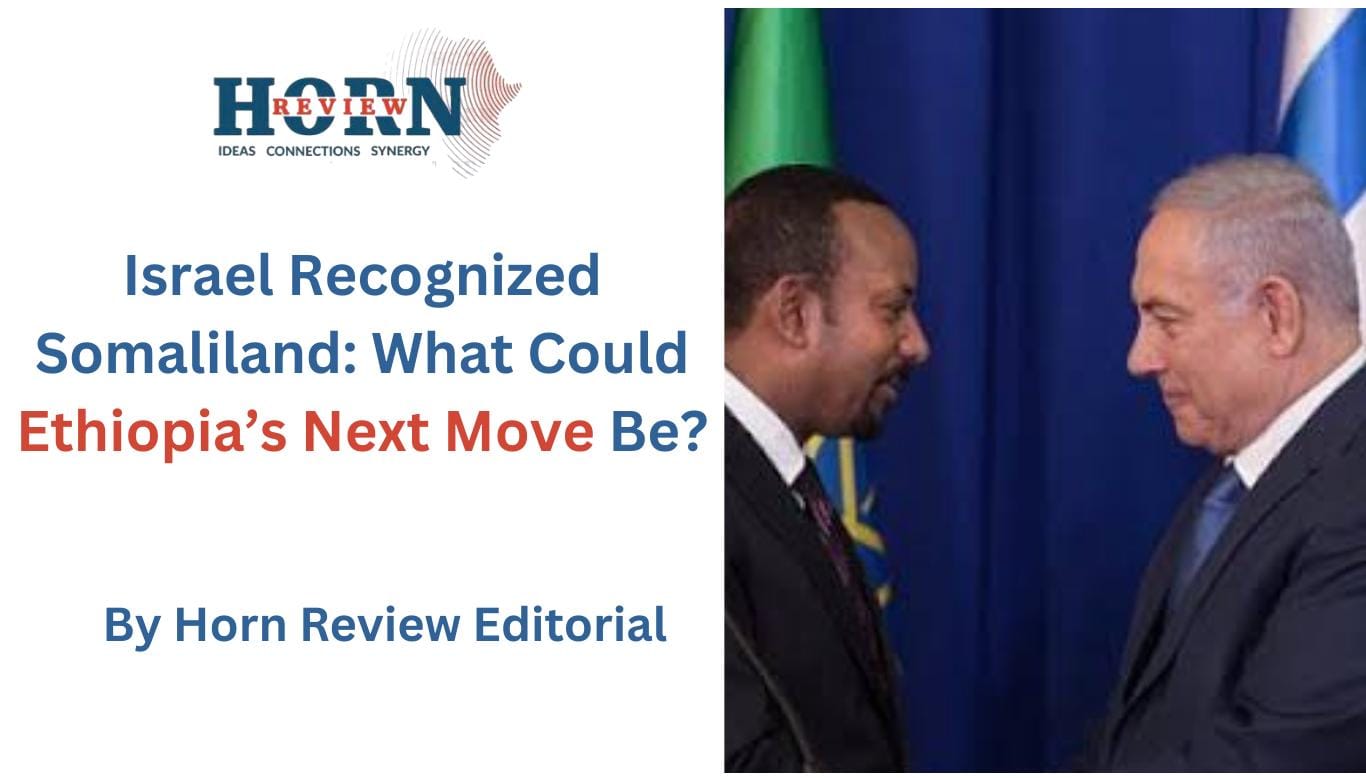
Israel’s Recognition of Somaliland: A Game-Changer in Horn of Africa Geopolitics
Israel’s recent recognition of Somaliland as a sovereign state signifies a monumental shift in the geopolitical landscape of the Horn of Africa. This bold move positions Israel as the first United Nations member state to officially acknowledge Somaliland, transforming the long-standing debate over its status into a significant arena for international strategic competition. As Somaliland garners a semblance of international legitimacy, the implications for regional and global dynamics—especially along the Red Sea corridor—are profound.
Strategic Importance of Somaliland
Proximity to the Bab-el-Mandeb Strait
Somaliland’s strategic location near the Bab-el-Mandeb Strait, a critical chokepoint for global maritime trade, is a key factor in Israel’s interest. The recognition not only elevates Somaliland’s profile but also provides Israel with an opportunity to establish a military and intelligence hub aimed at monitoring and countering threats posed by Iranian and Houthi forces. Prime Minister Benjamin Netanyahu has highlighted the potential for enhanced economic and security partnerships, marking this engagement as a crucial part of Israel’s broader strategy in the region.
Context of the Abraham Accords
This move aligns with the broader context of the Abraham Accords, signaling a deeper alignment among Middle Eastern nations. Israel’s cautious and gradual approach to engagement reflects a complex web of regional dynamics, including Somalia’s claim over Somaliland and the sensitivities of Gulf nations.
Competing Regional Interests
Turkey’s Growing Influence
Turkey has intensified its regional presence, extending its interests beyond Somalia into Sudan. Following a recent visit by Sudan’s military leader to Ankara and the renewal of the “Afak” security project, Turkey’s influence poses a challenge to the strategic interests of Gulf states and Western powers. Israel’s recognition of Somaliland could create a pathway for these nations to counterbalance Ankara’s expanding footprint in the Horn of Africa.
Russia’s Strategic Moves
Russia is also showing increased interest in Somaliland, particularly concerning the Red Sea port of Berbera. Recent diplomatic overtures from Moscow suggest potential cooperation in military and trade realms. Although Somaliland has reportedly declined Russian visits—likely due to pressure from Western allies—the shift in engagement illustrates the multifaceted territorial stakes at play.
China’s Position
Conversely, China maintains firm support for Somalia’s one-state policy, opposing Somaliland’s aspirations for independence. Beijing’s strong ties with Mogadishu serve to counterbalance Western and Gulf efforts toward recognition, positioning China as a crucial player in the region’s geopolitical narrative.
The United States’ Complex Position
The United States’ stance on Somaliland remains intricate and ever-evolving. While currently adhering to a “One Somalia” framework, speculation indicates that shifts in U.S. policy could be on the horizon, particularly as the Trump administration weighs strategic options to counter Chinese influence. Suggestions for military base access and mineral rights from Somaliland point to the territory’s growing significance in U.S. calculations.
Ethiopia’s Central Role
Ethiopia has bolstered international attention on Somaliland through its recent Memorandum of Understanding aimed at exchanging recognition for access to Somaliland’s ports. However, Ethiopia has demonstrated restraint by delaying formal recognition to respect Somalia’s sovereignty, thus balancing its long-term objectives with immediate regional stability.
Regional Reactions to Israel’s Recognition
The response from neighboring countries has been swift and manifestly geopolitical. Egypt, which values its longstanding connections to Somaliland, opposes Israel’s recognition. Simultaneously, Turkey, heavily invested in Somalia and Sudan, views this move as a threat to its strategic interests. Djibouti, as a critical maritime hub, also remains wary, aware that Somaliland’s formal acknowledgment could alter the regional balance of power.
Potential Ripple Effects
Israel’s recognition could prompt other nations to follow suit, reshaping global perspectives on Somaliland. Countries like South Sudan and Guinea may explore similar diplomatic gestures in light of increased geopolitical scrutiny. This potential cascade effect would solidify Somaliland’s international legitimacy and further complicate the regional dynamics.
Conclusion: Ethiopia’s Strategic Patience
Ethiopia’s approach remains pivotal as it navigates this rapidly changing geopolitical terrain. A strategy that embraces patience, while fostering robust engagement with Somaliland, will enable Ethiopia to enhance its influence without igniting tensions with Somalia. Ultimately, Ethiopia’s timing and diplomatic efforts will play a crucial role in defining the future landscape of the Horn of Africa and the strategic importance of the Red Sea corridor.
In this transforming geopolitical environment, the implications of Israel’s recognition of Somaliland will be felt far beyond immediate borders, influencing global strategic alignments for years to come.
