




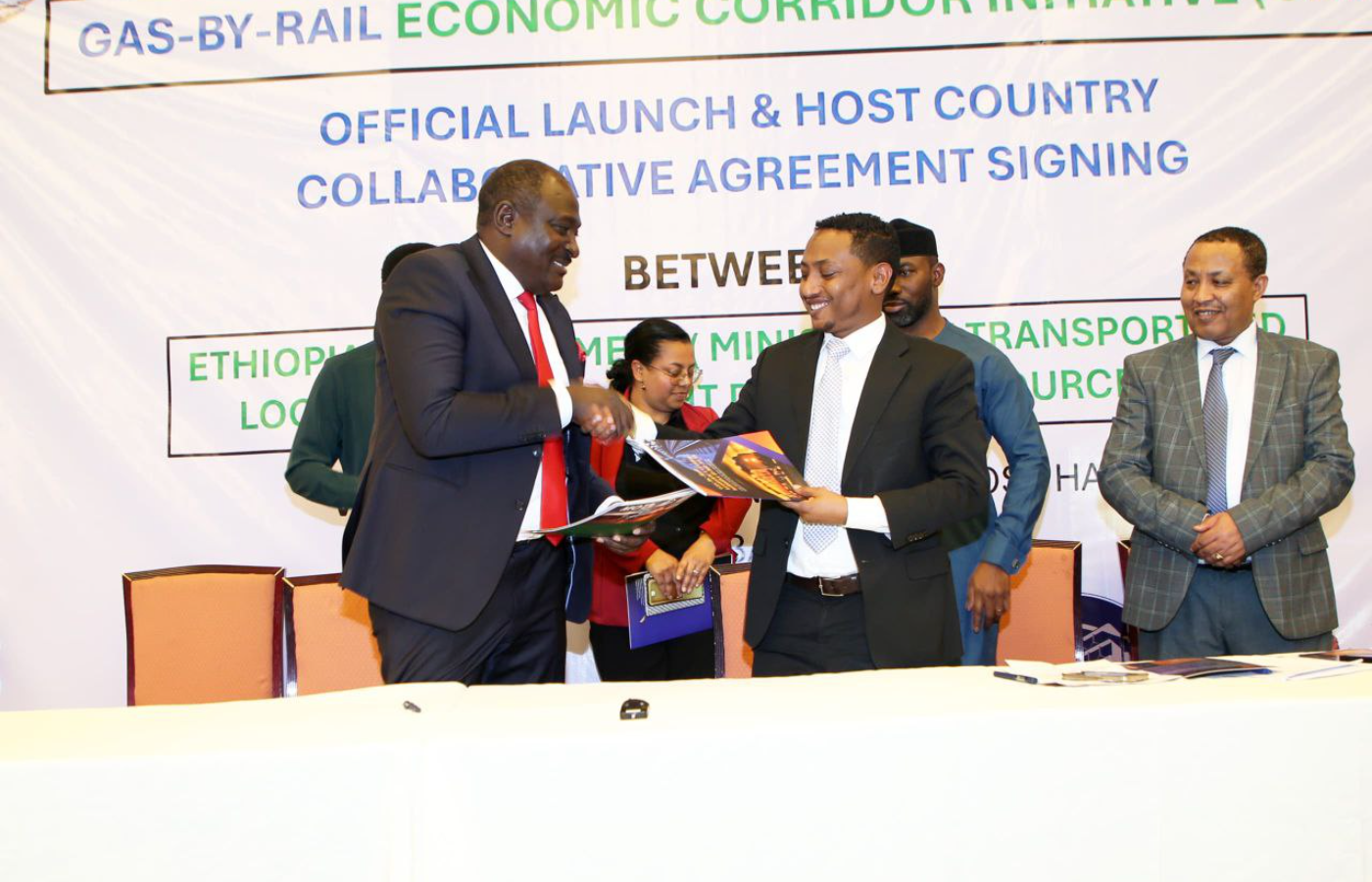
Ethiopia and Nigeria Launch Major Gas-by-Rail Economic Corridor
Ethiopia and Nigeria, Africa’s two largest nations by population, have joined forces to establish a groundbreaking Gas-by-Rail Economic Corridor. This ambitious project, spearheaded by Ethiopia’s Ministry of Transport and Logistics in collaboration with Nigeria’s Insight Dynamic Resources (IDR), aims to create a 73,500-kilometer freight railway network that will connect 40 countries across Sub-Saharan Africa, positioning Ethiopia as the key hub.
Project Overview
The Gas-by-Rail initiative seeks to revolutionize transportation and energy distribution across the continent. Central to this plan is the deployment of 470 high-efficiency gas turbines, designed to provide a robust 270-gigawatt baseload power system. To fuel these turbines, the initiative plans to construct a virtual pipeline capable of transporting 100 million tonnes of hydrogen fuel annually. Notably, the project is expected to generate upwards of 70 million jobs by 2050, marking a significant step in economic development.
Logistics Fleet Requirements
To realize the scale of this ambitious program, a substantial logistics fleet is essential. The projected requirements include:
- 5,100 heavy-haul locomotives
- Nearly 80,000 specialized tank units
- 100,000 wagons and coaches
Musa Ibrahim, the founder of the Gas-by-Rail initiative, emphasized that “hardware alone is not enough. A fleet of this magnitude requires a nervous system,” highlighting the need for an advanced infrastructure management system.
Advanced Digital Infrastructure
Siemens Mobility will provide the necessary digital architecture through its Siemens Xcelerator platform. This system employs artificial intelligence and digital twin technology to monitor infrastructure conditions and optimize network capacity in real time, catering to over two billion users under a coordinated smart-rail framework.
Financial Overview
The total cost of the Gas-by-Rail program is expected to range between $500 million and $1 trillion, reflecting the complexities and scale of the project.
Current State of Ethiopian Rail Infrastructure
Ethiopia currently boasts 5,000 kilometers of designed railway routes with potential connections to regional ports; however, only 902 kilometers are operational. Bareo Hassen, the state minister of transport and logistics, stated that private investment is crucial for bridging this gap. This partnership aligns with broader efforts to enhance connectivity within the framework of the African Continental Free Trade Area. According to Hassen, the scheme has the potential to provide access to over 1,000 kilometers of rail infrastructure across 40 states, contributing to reduced deforestation and environmental impact.
Core Components of the Initiative
The Gas-by-Rail Economic Corridor is structured around three primary components aimed at ensuring effective implementation:
-
Industrial Program: Collaboration with SMS Group to create a green steel complex, ensuring self-sufficient rail-track production.
-
Digital Backbone: Partnering with Siemens Mobility to establish the One Africa Network utilizing blockchain-based freight systems for enhanced logistics management.
-
Decarbonization Plan: Working with Wabtec Corporation on the integration of FLXdrive battery-electric locomotives, which aims to support clean-energy logistics and lessen reliance on woodfuel.
Conclusion
The Gas-by-Rail Economic Corridor initiative represents a monumental leap for transportation and energy logistics in Africa. With its extensive railway network and innovative power solutions, the project promises not only to foster economic growth but also to encourage sustainable practices across the continent. As Ethiopia and Nigeria embark on this transformative journey, the implications for regional trade and energy distribution are bound to be profound.
For further details on the collaboration, you can refer to Ethiopia’s Ministry of Transport and Insight Dynamic Resources.
