




Navigating Peace in Ethiopia: A Fragile Accord in a Fragmented Landscape
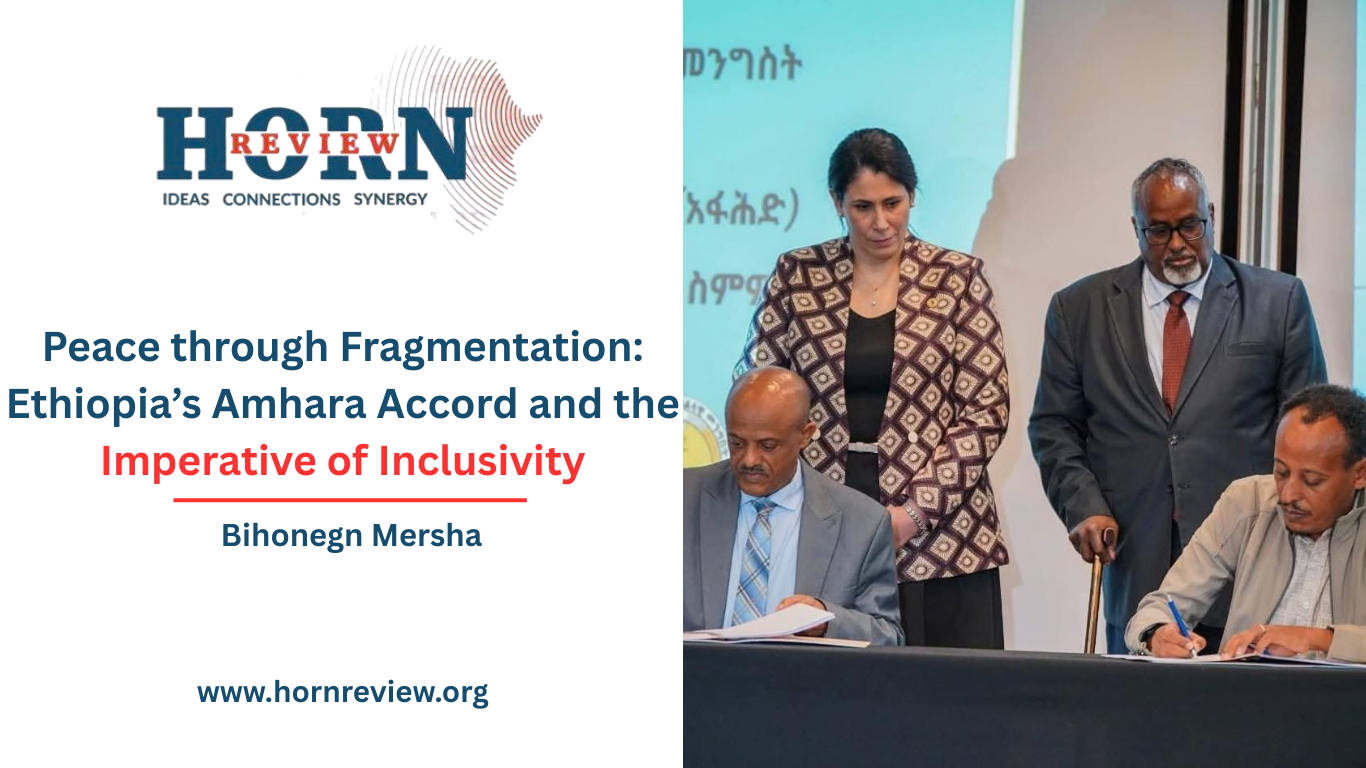
Ethiopia finds itself at a pivotal moment in its political evolution, grappling with the complexities of history, fragmentation, and ongoing conflict. Recently, a peace accord between the Amhara Regional State Government and a faction of the Amhara Fano Popular Organization (AFPO) has emerged. This landmark agreement comes after over a year of sustained dialogue, emphasizing the commitment to reconciliation and resolution of contentious issues.
The Peace Accord: A Significant Milestone
The historic agreement reflects the serious dedication of both parties to engage in constructive dialogue. Specialized committees that focused on reconciliation played a crucial role in this process. The African Union (AU), along with the Intergovernmental Authority on Development (IGAD), has been instrumental in facilitating communication, demonstrating a multilateral commitment to stabilize a region that has long experienced insecurity.
The Complexity of the Fano Movement
The AFPO embodies a broader structural complexity within the Fano movement. Not a centralized organization, but rather a network of autonomous militias and local defense groups, the internal dynamics often lead to contested priorities and strategies. The AFPO’s leadership has been notably fragmented; figures like Eskinder Nega and Geta Asrade have opted for engagements with external actors, while others have focused on negotiating with the regional government. This divergence highlights that even within a single faction, the pathways toward stability can be influenced by internal considerations.
Fragmented Forces: The Broader Fano Landscape
Beyond the AFPO, the Fano movement is characterized by further fragmentation. Other groups, such as the Amhara Fano National Force and various local factions, continue to operate independently, vying for territorial control and resources. This intense competition, often coupled with alignments with external entities, complicates the security landscape in the region. Many factions have reportedly coordinated with the TPLF and Eritrea, receiving military support that perpetuates instability rather than enhances local protection.
The Role of External Actors
The dynamics of the peace process are further complicated by actors like Eskinder Nega, who may leverage the prolonged conflict for political gain. While they purport to support the Fano efforts, their agendas often conflict with the broader interests of local communities, prioritizing strategic leverage over genuine reconciliation. This skepticism towards negotiation contributes to cycles of insecurity and human distress, emphasizing the need for a peace process that remains grounded in the public interest.
The Human Toll of Ongoing Conflict
The prolonged conflict over the past two years has left deep scars on the Amhara region, which is still recovering from extensive destruction. Schools, hospitals, and essential infrastructure suffered severe damage during the TPLF incursions from 2020 to 2022. The lingering humanitarian crisis underscores the urgency for durable political resolutions that address both governance and security issues.
The Importance of Dialogue and Reconciliation
Efforts by the African Union and IGAD are critical as they foster an agreement that prioritizes dialogue. This peace accord, while significant, is only the first step. Continuous outreach to all Fano factions, including those not involved in the current agreement, is essential for evolving a robust framework capable of sustaining long-term stability.
A Cultural Shift Towards Collective Governance
This moment signifies a cultural shift among Ethiopian actors towards prioritizing collective security over individual ambition. Establishing a sustainable peace will require cultivating trust, tempering personal aspirations, and acknowledging shared vulnerabilities. The momentum of reconciliation must be bolstered through consistency and ongoing engagement with all relevant stakeholders.
Charting a Path Forward: Building Sustainable Peace
The sustainable path for Amhara and Ethiopia entails a disciplined and inclusive approach to peace. History shows that fragmentation rarely leads to security; thus, aligning with actors tied to past destruction can undermine recovery. The recent accord represents a foundation for rebuilding governance and fostering human security. Peace must be expanded beyond symbolic measures and institutionalized for lasting impact.
Conclusion: The Road to Reconciliation
Recognizing the commitment of AFPO leaders who have chosen dialogue, along with the facilitative role of AU and IGAD, reveals a genuine opportunity for stabilization. However, the challenge remains: transforming this fragile alignment into durable institutional arrangements that integrate all Fano factions. The future of Amhara and Ethiopia relies on the collective decision for systemic reconciliation over division, promoting enduring cooperation rather than episodic confrontation.
For further insights into Ethiopia’s political landscape, consider exploring these resources on Ethiopian conflict dynamics and African union mediation efforts.
By framing Ethiopia’s intricate situation within the context of peace and conflict, this article underscores the importance of understanding the broader implications of negotiations to foster a stable future.
