




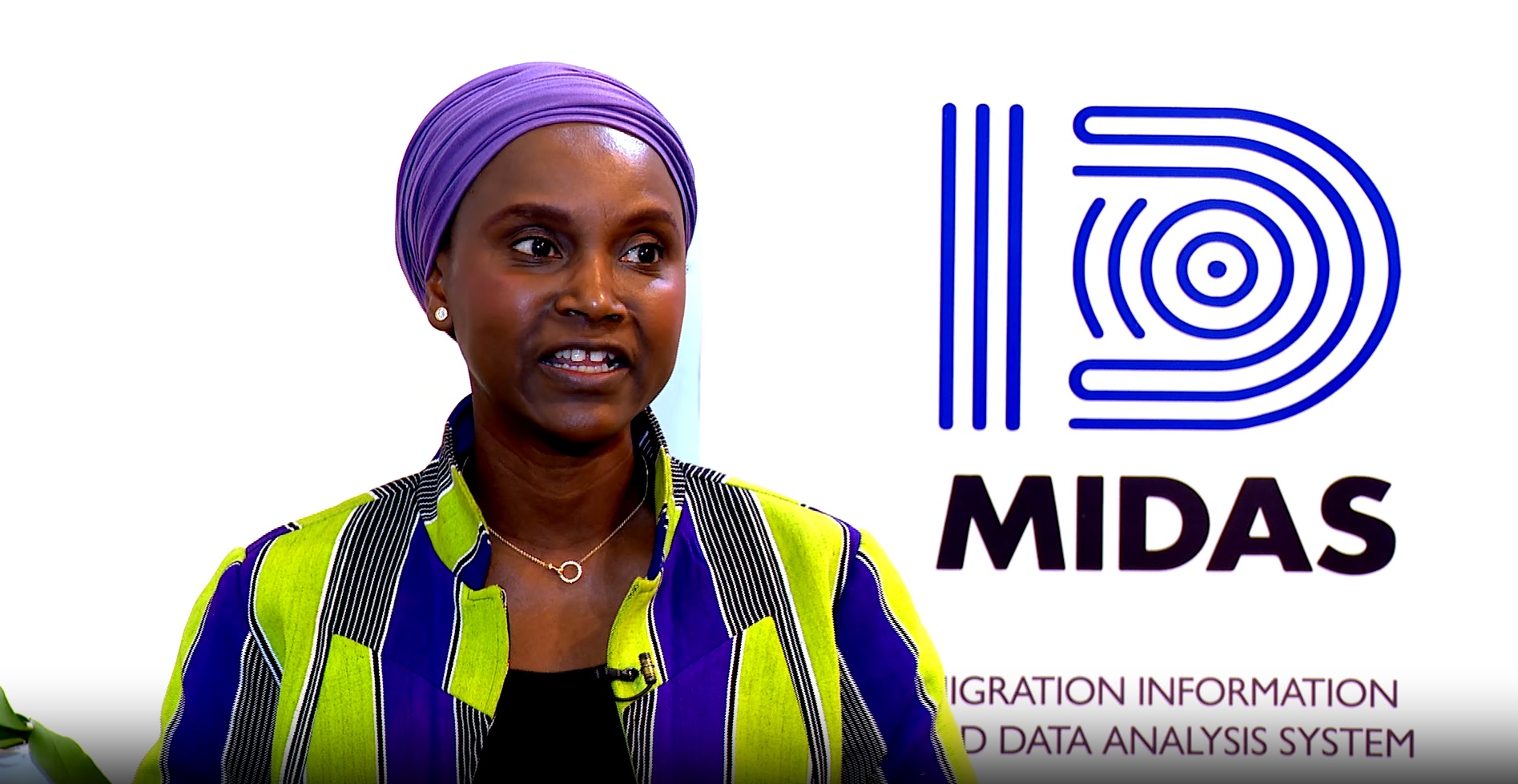
Ethiopia’s Migration Information and Data Analysis System: A Leap Forward in Border Management
In a significant move towards strengthening its border governance, Ethiopia has enhanced its Migration Information and Data Analysis System (MIDAS), which has garnered praise from the International Organization for Migration (IOM). This advancement is pivotal in securing borders, offering protection to vulnerable migrants, and fostering regional peace and stability.
Launch of MIDAS Phase II
The recent launch of the MIDAS Phase II project by the Ethiopian Immigration and Citizenship Services (ICS) in collaboration with the IOM marks a commitment to bolster Ethiopia’s capacity for border management. This phase aims to build on the foundation laid by Phase I, which was successfully completed in 2023 within an 18-month timeframe.
Objectives of MIDAS Phase II
Set to run from October 15, 2025, to September 30, 2027, Phase II will focus on several key areas:
-
Infrastructure Expansion: Upgrading physical and digital infrastructure related to immigration.
-
Institutional Capacity Building: Enhancing the skills and abilities of personnel involved in border management.
-
Alignment with International Standards: Ensuring that Ethiopia’s system meets global migration management criteria.
Protecting Vulnerable Migrants
Abibatou Wane-Fall, IOM Chief of Mission to Ethiopia, emphasized that the newly enhanced MIDAS will be instrumental in protecting migrants traveling across Ethiopia’s borders. This system not only aims to monitor migration flows but also to mitigate irregular migration, particularly activities perpetrated by smugglers and traffickers.
Technological Advancements in Migration Management
One of the standout features of MIDAS is its ability to capture, store, and process both biographic and biometric data at various entry points—land, sea, and air. This integration provides the Ethiopian government with a reliable evidence base essential for informed policy-making and planning.
Wane-Fall stated, “The project will allow the government of Ethiopia to control and manage the flow of people entering and exiting the country.” This modernization is crucial given the extensive borders and the need for effective identification of fraudulent documents and individuals posing security risks.
Data Sovereignty and Real-Time Information Exchange
According to IOM officials, the MIDAS system is fully owned by the Ethiopian government. This ownership underscores the importance of data sovereignty in migration management. The capability for real-time information exchange across various border points enables swift and decisive action against potential security threats.
Enhanced Security Features
Significantly, MIDAS includes features designed to detect forged documents and identify individuals on international watch lists, enhancing Ethiopia’s security measures. The system has already yielded improvements in immigration processes, notably by expediting visa procedures.
IOM Collaboration and Humanitarian Efforts
The collaboration between IOM and the Ethiopian ICS extends beyond system installation; it includes training immigration officials for effective system utilization. Wane-Fall has commended Ethiopia for its commitment to humanitarian efforts, highlighting the nation’s role as a host for refugees and its provision of essential services such as livelihood support and healthcare.
Through partnerships with organizations like UNHCR and other agencies, Ethiopia is making considerable strides in safeguarding the rights and well-being of migrants and refugees.
Conclusion
Ethiopia’s upgraded MIDAS initiative represents a significant stride in the modernization of border management. By enhancing its ability to monitor migration and safeguard vulnerable populations, Ethiopia is not only reinforcing its borders but also contributing to broader regional stability and harmony. As the MIDAS Phase II project unfolds, it will undoubtedly play a crucial role in shaping the future of migration management in the region.
For more insights on migration and border management, explore resources from the International Organization for Migration and UNHCR.
