




Urban Renewal as a Pathway to Transitional Justice in Ethiopia
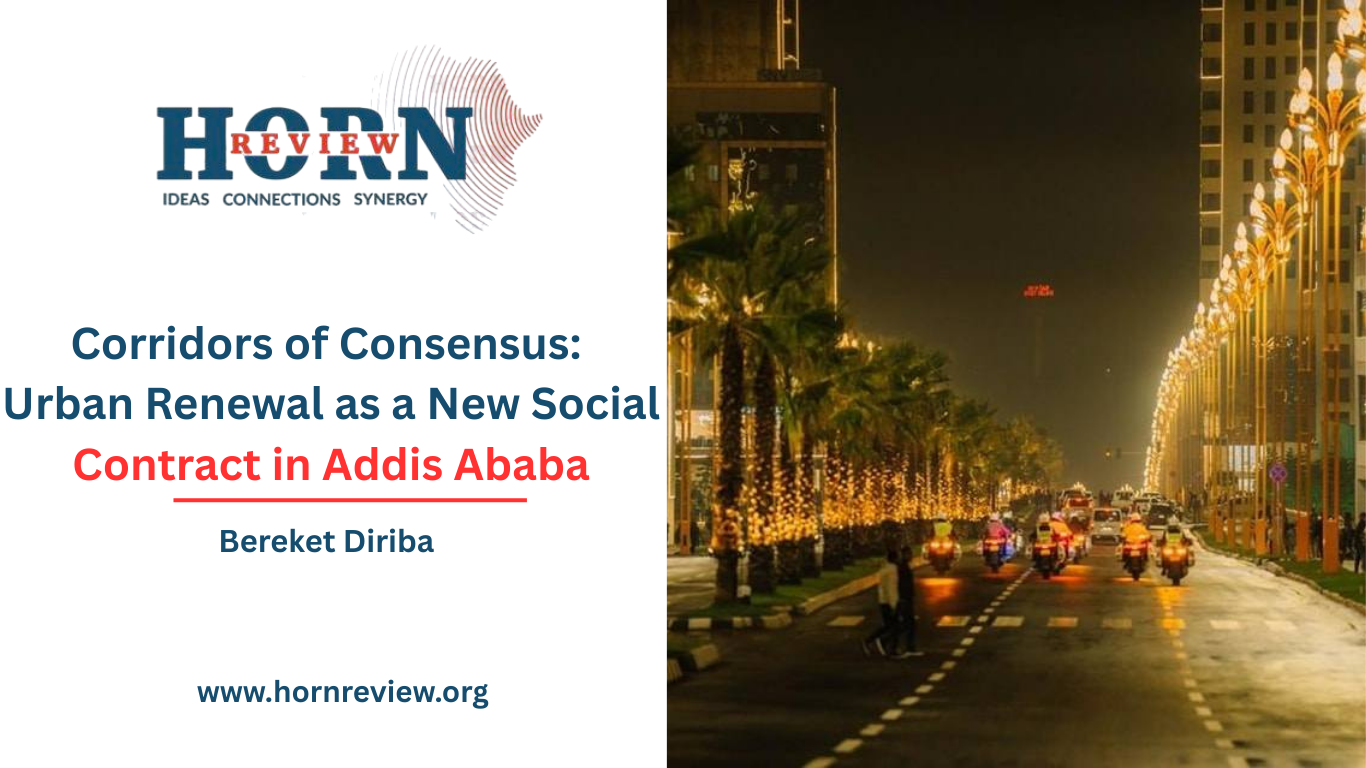
Urban renewal in Ethiopia has transcended its traditional role as merely an aesthetic or infrastructural endeavor since Prime Minister Abiy Ahmed’s ascent to leadership in 2018. It now serves as a spatial mechanism for transitional justice—addressing historical marginalization, engendering social unity, and reshaping civic identity across cities, notably in Addis Ababa.
Understanding Transitional Justice
Transitional justice typically encompasses legal and political mechanisms that societies employ when emerging from periods of conflict or repression. However, scholars like Ruti Teitel emphasize the importance of symbolic and structural repairs alongside traditional methods. Within this broadened definition, urban spaces transform into arenas for justice. Public areas—parks, streets, and museums—transition from neutral backgrounds to vital instruments of inclusion and civic reconstruction.
The Shift in Urban Policy
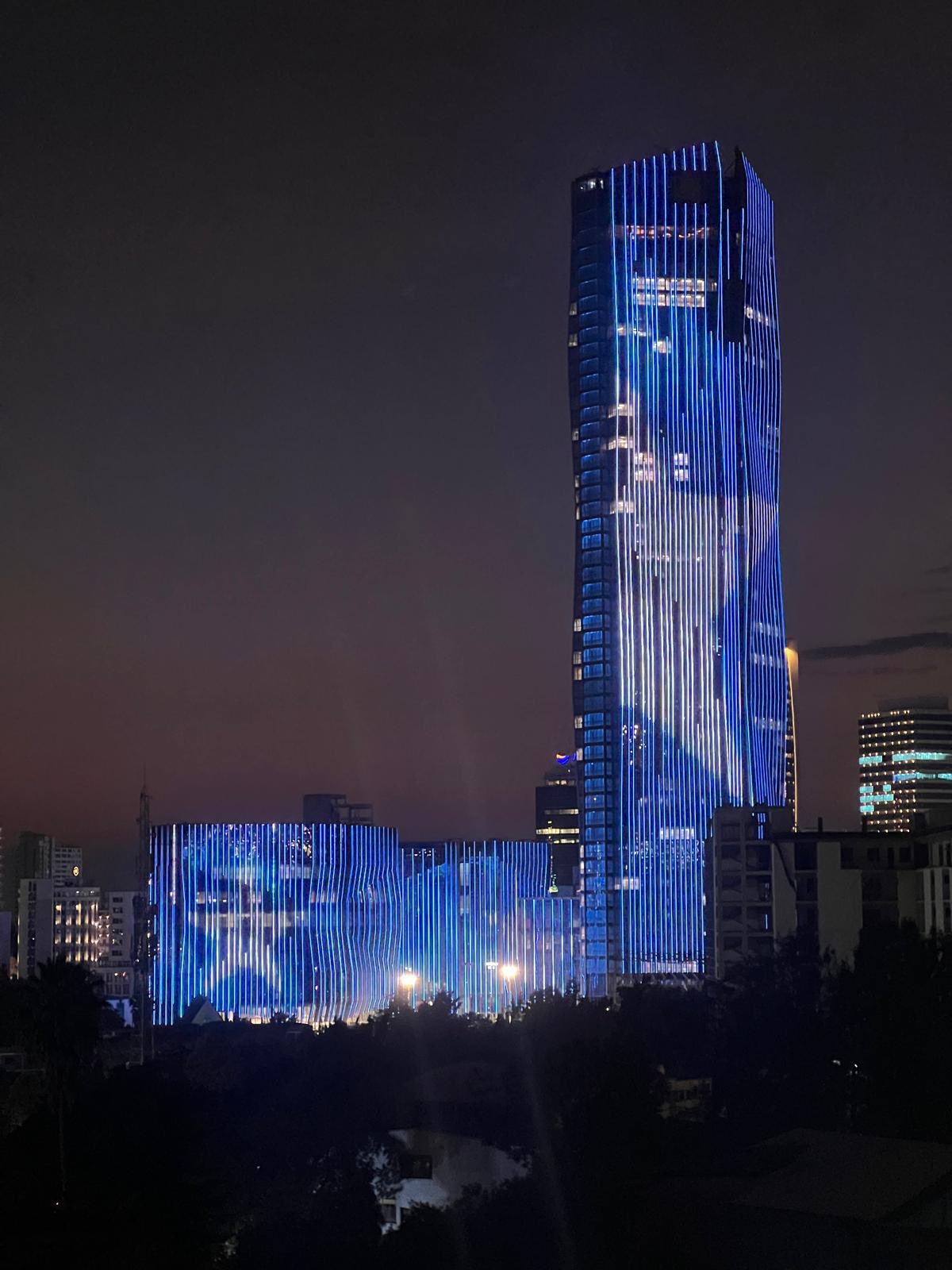
Since 2018, urban policy has prioritized city development across Ethiopia. Previously neglected towns and neighborhoods have experienced significant transformations, characterized by new roads, walkways, public facilities, and green spaces. These revitalizations represent more than cosmetic enhancements; they reposition cities as spaces that nurture dignity, belonging, and collective advancement. Central to this metamorphosis is Addis Ababa, the country’s beating heart, where rapid urban developments are creating landmarks that reflect and reinvent Ethiopian identity.
Case Study: Unity Park
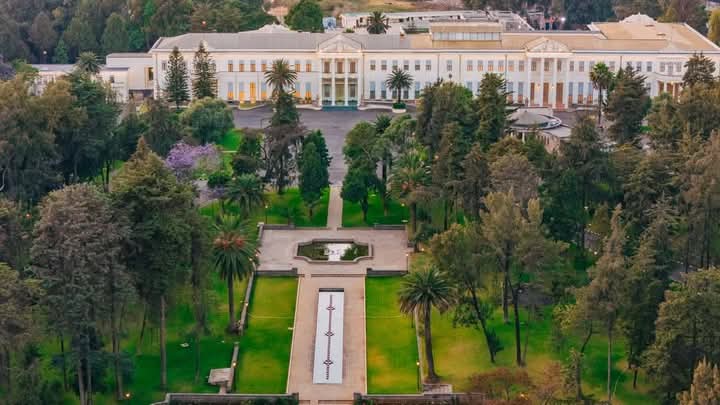
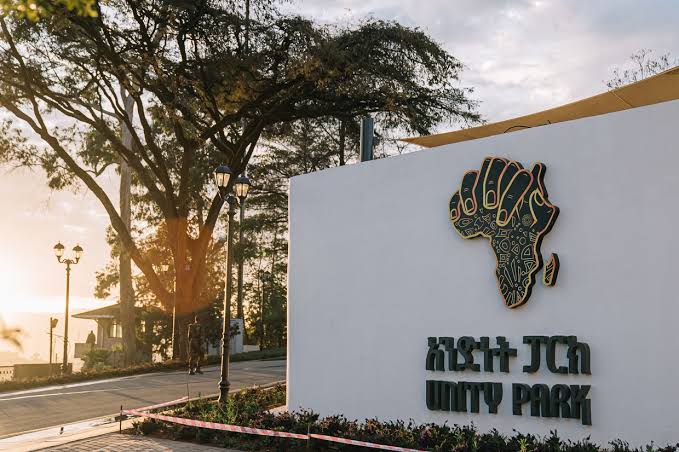
An example of this urban renewal paradigm is Unity Park, once a restricted compound now transformed into a civic commons. This space fosters equality among citizens, acting as a modern public sphere. Featuring museums, gardens, and performance areas, Unity Park narrates Ethiopia’s diverse historical and cultural narratives. By making historical spaces inclusive, it symbolizes reparation and a vision for a more equitable future.
Memorializing Shared Histories
The Adwa Victory Memorial Museum illustrates how urban renewal can consolidate a national narrative. By celebrating Ethiopia’s 1896 victory against Italian forces, the museum forges a collective memory that acknowledges the contributions of various regional communities. Drawing from the insights of thinkers like Maurice Halbwachs, the museum acts as a unifying force—reinforcing a shared history rooted in resistance and resilience.
Everyday Civic Engagement: Friendship Square
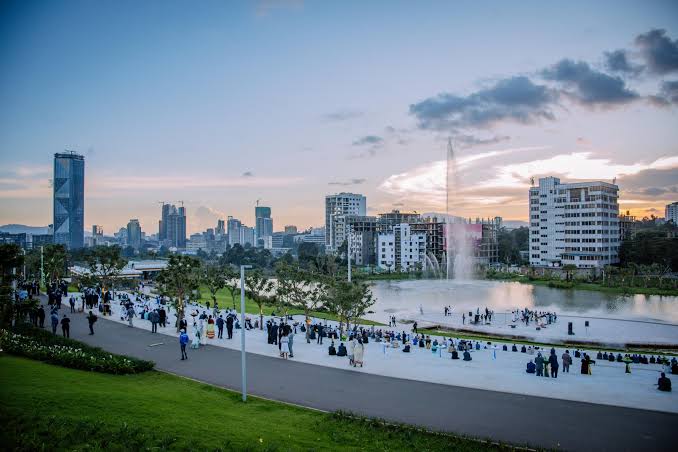
Public spaces like Friendship Square further extend the goals of urban renewal by fostering everyday interactions among diverse groups. Such areas embody Allport’s Contact Hypothesis, suggesting that meaningful engagement in shared spaces can alleviate prejudice and deepen mutual understanding.
Enhancing Human Capabilities
From the perspective of the capabilities approach championed by Amartya Sen and Martha Nussbaum, these urban transformations symbolize an expansion of human freedom. Access to clean environments, recreational spaces, and cultural institutions enhances the ability for individuals to engage in social, cultural, and economic activities. These revitalized public spaces spur youth participation, women’s entrepreneurship, and intergenerational exchange, strengthening inclusivity across societal levels.
Spatial Justice in the Urban Corridor Project
A striking example of spatial justice is the 132-kilometer urban corridor project in Addis Ababa, which enhances connectivity across previously isolated neighborhoods. By improving access and mobility, the project effectively redistributes opportunities, knitting together communities that had long been divided.
Environmental Justice and Urban Renaissance
The Beautifying Sheger project weaves environmental initiatives into the urban framework, encompassing river restoration and ecological rehabilitation. This project emphasizes that civic renewal and environmental stewardship are interconnected, enhancing the city’s resilience to climate change while restoring a degraded natural heritage.
Fostering Innovation and Ecological Awareness
Institutions like the Addis Ababa Science Museum and initiatives such as Entoto Park focus on future-oriented development guided by innovation and ecological consciousness. They empower citizens to envision themselves as active participants in a shared narrative of progress—one that is not solely based on technology or economics, but also culture, environment, and community well-being.
The Localized Model of Renewal
Ethiopia’s approach to urban renewal is distinctly shaped by its local context and cultural identity, resisting externally imposed frameworks. This model empowers communities to reclaim their history and foster a dignified future.
A Triadic Framework of Transformation
The ongoing urban renewal illustrates a triadic transformation architecture: the material reconstruction of infrastructure, the symbolic reclamation of narrative, and the reactivation of communal memory. Addis Ababa’s urban renovations exemplify a moral and civic mission aimed at reshaping relationships as well as spaces.
Global Insights from Ethiopia’s Urban Experience
Amidst global trends involving post-conflict rebuilding and rapid urbanization, Ethiopia presents an insightful case study. It highlights that cities in the Global South can be crucial arenas for healing, reconciliation, and identity reconstruction. The evolving urban landscapes of Addis Ababa may resonate with other societies, advocating for a development approach intertwined with dignity, memory, and justice.
Conclusion: Towards a Corridor of Consensus
Urban renewal models that prioritize memory, equity, and inclusion can pave the way for societal consensus. In Addis Ababa, these changes foster a collective journey toward reclaiming the past, reimagining the present, and negotiating a shared future. Justice emerges not only within legal frameworks but is also woven into the very fabric of everyday life through parks, streets, and shared spaces.
For more information on transitional justice and urban renewal, check out these resources on Transitional Justice and Urban Development Strategies.
