




Somalia Faces Risk of Ethiopia-Style Guerrilla Factions Amid Deepening Political Rivalries
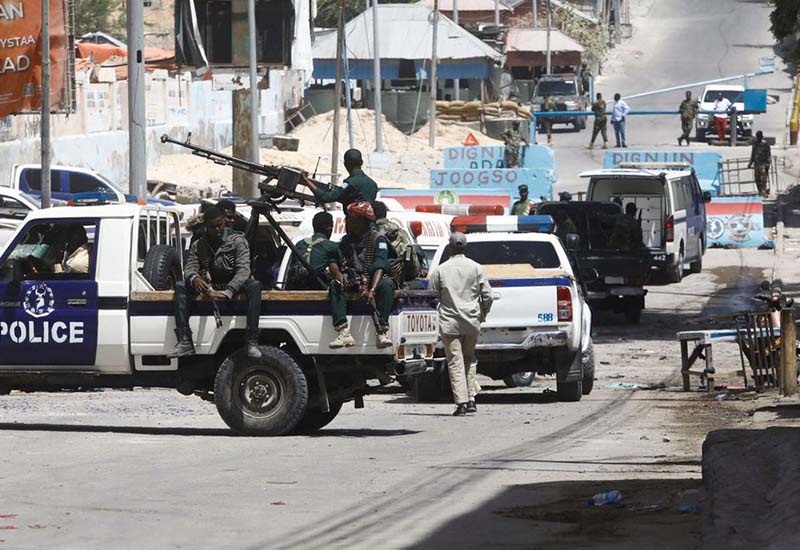
Somalia is confronting a heightened risk of fragmented armed insurgencies resembling the guerrilla warfare seen in Ethiopia’s Tigray, Amhara, and Oromia regions, according to a stark warning issued by former Somali intelligence chief Abdirahman Turyare. As political disputes between Mogadishu and regional power brokers intensify, competing power centres are allegedly seeking external military backing to establish new armed formations, threatening to open dangerous new fronts in the country’s long-running battle against Al-Shabaab.
Turyare Warns of Fragmented Security Landscape
Speaking in his capacity as Somalia’s envoy to the Islamic Military Counter-Terrorism Coalition, Turyare cautioned that armed movements could emerge specifically in the Hiran, Middle Shabelle, and Bay regions. He warned that these potential factions, initially formed to advance local political or clan interests, could eventually forge tactical alliances with Al-Shabaab, the Al-Qaeda-linked group waging a protracted insurgency against the federal government.
“The emergence of such groups would complicate counterterrorism operations, weaken federal authority, and create a fragmented security landscape,” Turyare stated, urging authorities to preempt the formation of these militias before they mature into a broader existential threat. He also issued a direct warning to politicians allegedly orchestrating these mobilizations, cautioning them against gambling with national stability.
Hiran Region: The Sanbalolshe Factor and Ethiopian Allegations
The most immediate flashpoint centres on the Hiran region, where former intelligence chief Abdullahi Mohamed Ali “Sanbalolshe” is reportedly mobilizing forces. According to unverified local media reports, Sanbalolshe is operating from the border town of Ferfer, allegedly receiving military support from Ethiopia.
The reports claim Sanbalolshe intends to establish a powerful armed force capable of wresting control of the entire Hiran region from the Federal Government of Somalia (FGS). This move is rooted in a fierce political dispute between his Hawadle clan and Mogadishu over the leadership of the Hirshabelle State administration.
Leadership Dispute Fuels Tensions
The disagreement centres on the selection of the Hirshabelle President. Somali President Hassan Sheikh Mohamud backed Ali Gudlawe—who hails from the President’s own clan—for re-election. Gudlawe secured a second term on Saturday, a result that has significantly intensified grievances among Hawadle power brokers who feel excluded from the power-sharing arrangement.
Note: Allegations regarding Sanbalolshe’s movements, Ethiopian military backing, and plans for an armed insurrection have not been independently verified.
Middle Shabelle: Alleged UAE-Backed Mobilization
A parallel crisis appears to be brewing in neighbouring Middle Shabelle. Local media reports allege that Abdullahi Mohamed Nur, a wealthy businessman affiliated with the clan of opposition leader Sharif Sheikh Ahmed, is preparing to establish a guerrilla force in the region.
The Ma’awisley Variable
Critically, reports suggest Nur commands a substantial number of Ma’awisley fighters drawn from his clan. These locally organized “community defence” militias have been pivotal in the recent offensive against Al-Shabaab in central Somalia. Their potential pivot from counter-terrorism operations to inter-clan or anti-government warfare would represent a severe strategic setback for federal stabilization efforts.
The reports further allege that this mobilization is backed by military support from the United Arab Emirates (UAE). Like the allegations concerning Ethiopia, these claims remain unverified, but they highlight the perception of deepening foreign interference in Somalia’s internal security architecture.
Bay Region: Laftagareen’s Guerrilla Campaign Persists
The warnings come as the federal government struggles to contain an active insurgency in the Bay region led by forces loyal to former Southwest State leader Abdiaziz Hassan Mohamed “Laftagareen”.
Laftagareen was ousted in March 2024 following a federal military operation that forced his fighters out of Baidoa, the interim regional capital. Since then, his forces have adopted guerrilla tactics, challenging federal authority across the hinterland.
Recent Territorial Gains
According to local reports, Laftagareen’s forces made significant territorial gains last week, reportedly retaking five districts across the Bay region. This leaves Baidoa as the only major urban centre in the region remaining under firm federal control. The resilience of this insurgency underscores the difficulty Mogadishu faces in consolidating authority after forced leadership transitions in Federal Member States.
Strategic Risks: Al-Shabaab Exploitation and State Collapse
The convergence of these three distinct crises—Hiran, Middle Shabelle, and Bay—presents a nightmare scenario for security planners. The Somali Federal Government has not yet publicly commented on the specific allegations of external backing or the formation of new factions.
However, analysts fear the following cascading consequences:
- Al-Shabaab Infiltration: As Turyare highlighted, politically motivated militias often lack the discipline or ideology to resist co-option. Fragmented groups competing for resources and territory may cut tactical deals with Al-Shabaab, providing the terrorist group with new safe havens and recruitment pools.
- Collapse of the Ma’awisley Model: The Ma’awisley uprising has been the federal government’s most effective indigenous counter-insurgency tool. If these fighters are diverted into clan-political wars, the offensive against Al-Shabaab in central Somalia could stall or reverse.
- International Partner Fatigue: Somalia relies heavily on UN support, African Union Transition Mission in Somalia (ATMIS) (and its successor AUSSOM), and bilateral aid. A slide into multi-front civil conflict jeopardizes the international political and financial capital invested in state-building since 2004.
Conclusion: A Critical Juncture for Somali Statehood
Somalia stands at a precarious crossroads. The allegations of foreign-backed militia formation—whether verified or not—reflect a dangerous normalization of violence as a tool for political negotiation. If Hiran, Middle Shabelle, and Bay descend into simultaneous low-intensity conflicts, the federal government will be forced to fight on multiple fronts: against Al-Shabaab, against clan-based guerrillas, and against the perception of its own legitimacy.
Preventing the “Ethiopianization” of Somalia’s security landscape requires immediate political de-escalation, transparent verification of foreign interference claims, and a renewed commitment to integrating regional militias into a unified national security architecture—before the window for prevention closes entirely.
